- +91 9112033335
- sales@dhruvfire.com

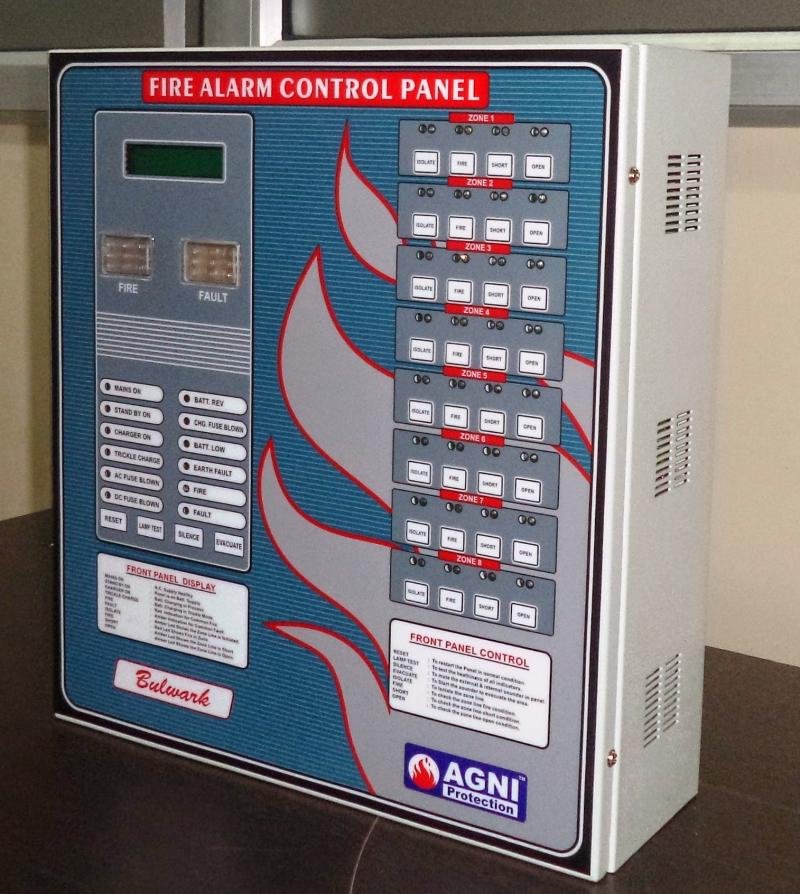
It detects fire through connected zones and activates alarms to provide timely warning and support a quick emergency response.
A Conventional System is a commonly used fire detection and alarm arrangement designed to identify fire-related conditions within specific zones of a building. It helps detect smoke or heat, alert occupants and indicate the general area where an alarm has been activated. This makes it a practical option for many small and medium-sized buildings, depending on their layout, occupancy and fire safety requirements.
A properly designed Conventional Fire Alarm System supports early warning and helps building occupants respond to potential emergencies. Understanding its working principle, components and maintenance requirements is important when selecting a suitable fire protection solution.
A Conventional Fire Alarm System is a basic fire detection system that divides a building into different zones. When a detector or manual call point activates, the control panel identifies the affected zone.
They are commonly used in small offices, shops, schools, residential buildings, warehouses, and other small to medium-sized facilities.